Optimal Seasons for Interior Painting
Interior painting projects can significantly enhance the aesthetic appeal and value of a property. Timing plays a crucial role in achieving optimal results, minimizing disruptions, and ensuring durability. Understanding the best seasons and conditions for interior painting can help in planning effectively.
Spring and fall are generally considered ideal due to moderate temperatures and humidity levels, which promote proper drying and curing.
High humidity, extreme cold, or excessive heat can negatively impact paint adhesion and finish quality.
Scheduling painting during renovation phases ensures minimal interference with daily activities and allows for better preparation.
Temperatures between 50-85°F with low humidity facilitate faster drying times and better finish quality.
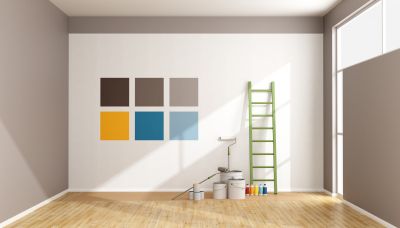
Ways to make Interior Paintings work in tight or awkward layouts.

Popular materials for Interior Paintings and why they hold up over time.
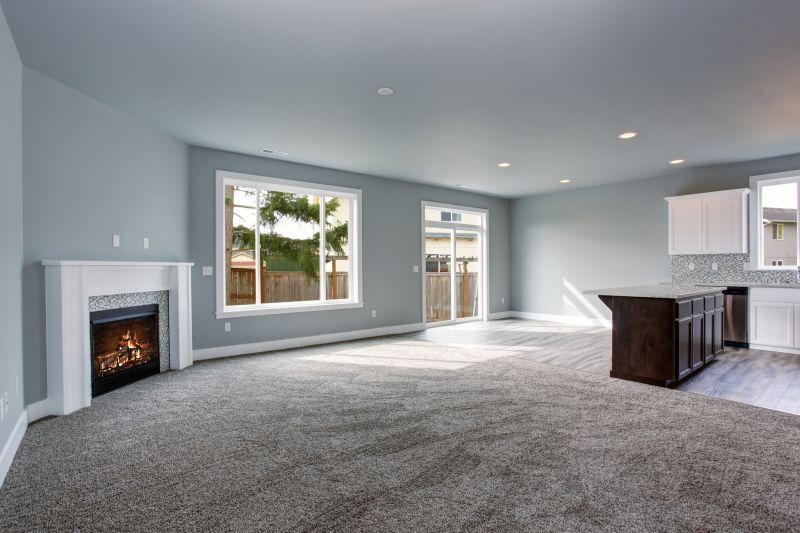
Simple add-ons that improve Interior Paintings without blowing the budget.
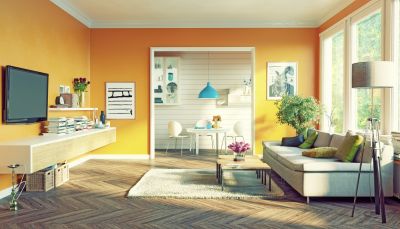
High-end options that actually feel worth it for Interior Paintings.
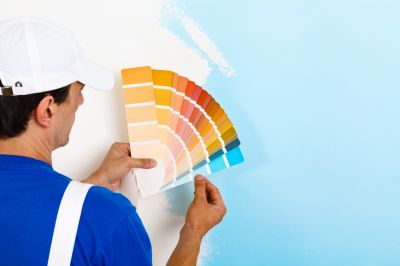
Finishes and colors that play nicely with Interior Paintings.
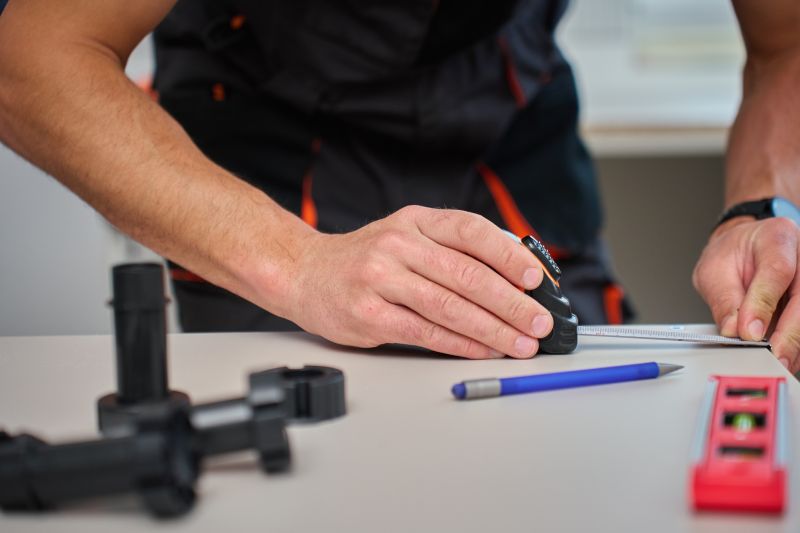
Little measurements that prevent headaches on Interior Paintings day.
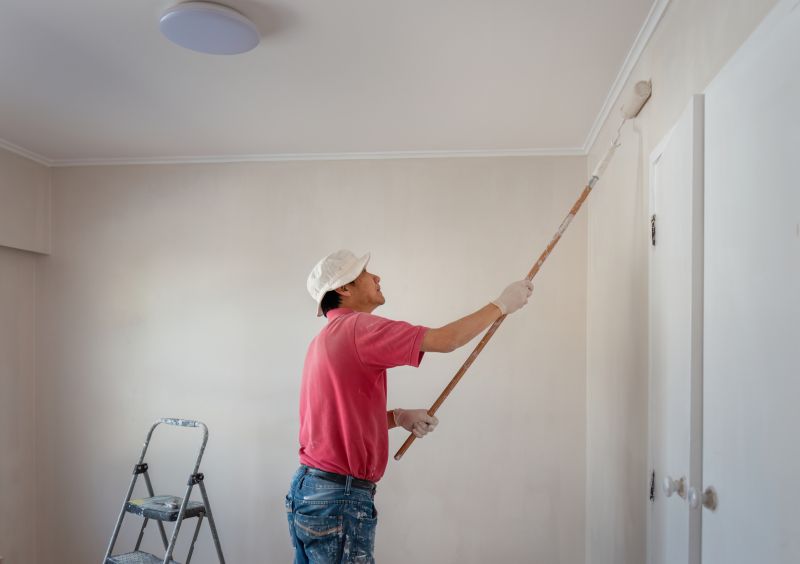
A 60-second routine that keeps Interior Paintings looking new.
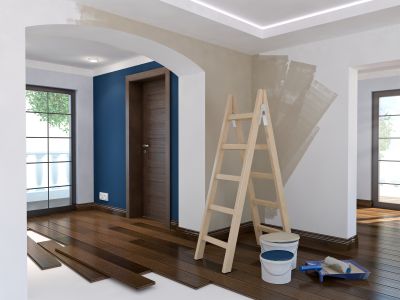
A frequent mistake in Interior Paintings and how to dodge it.
Interior paintings are an essential aspect of home improvement, offering a chance to refresh spaces with new colors and styles. Proper planning and timing can prevent issues such as peeling, cracking, or uneven finishes. Statistical data indicates that projects completed in favorable weather conditions tend to last longer and require fewer touch-ups, saving time and costs over the long term.
Factors such as humidity levels, temperature stability, and proper ventilation are vital for achieving a high-quality interior paint job. For instance, maintaining indoor temperatures within the recommended range during painting can improve paint adhesion and curing. Additionally, scheduling painting during periods of low humidity reduces the risk of paint bubbling or peeling, ensuring a smooth, durable finish.

Small tweaks to make Interior Paintings safer and easier to use.

Lower-waste or water-saving choices for Interior Paintings.
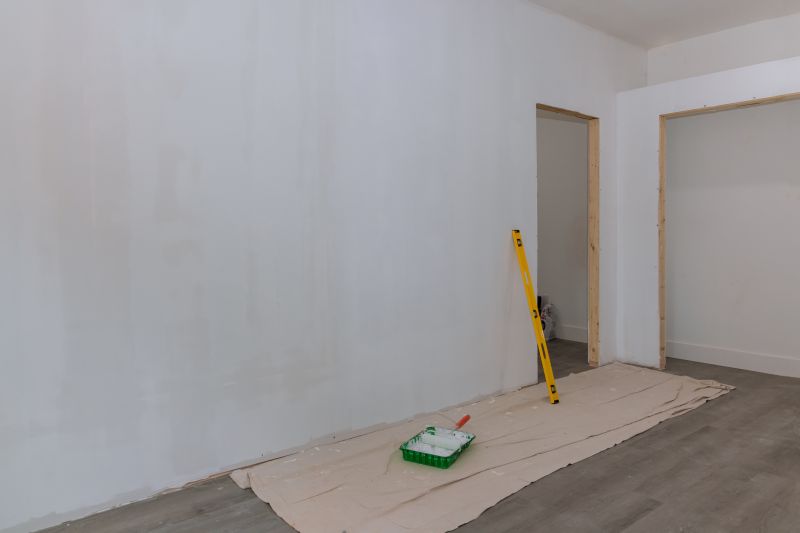
The short, realistic tool list for quality Interior Paintings.
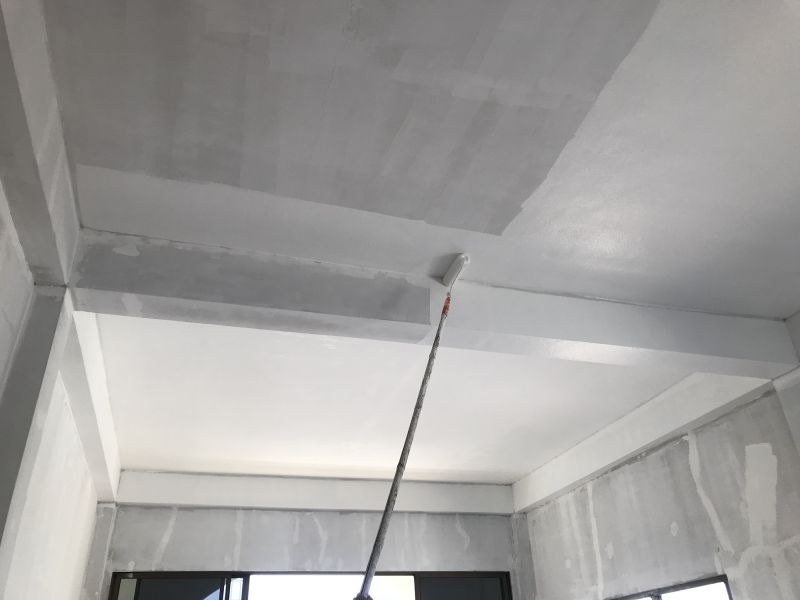
Rough timing from prep to clean-up for Interior Paintings.

Quick checks and paperwork to keep after Interior Paintings.

Examples that show the impact a good Interior Paintings can make.
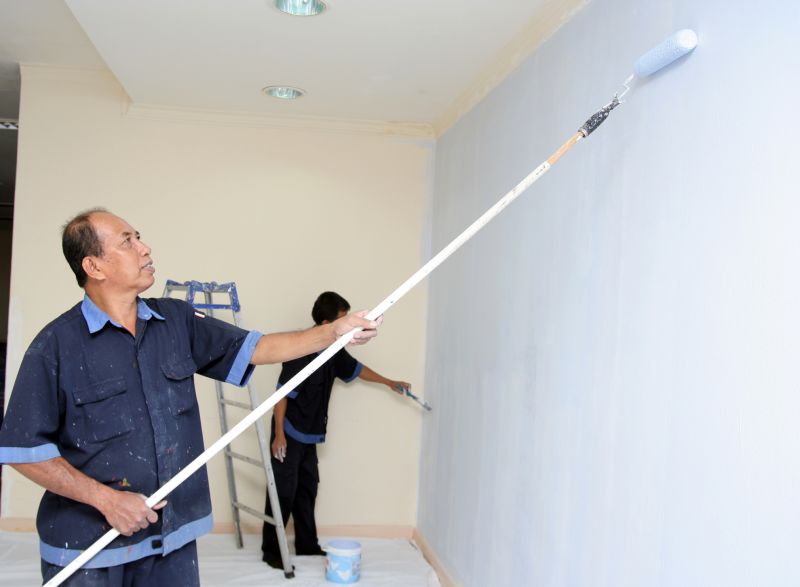
Ways to make Interior Paintings work in tight or awkward layouts.
Ways to make Interior Paintings work in tight or awkward layouts.
| Season | Advantages |
|---|---|
| Spring | Moderate temperatures, low humidity, ideal for drying. |
| Fall | Cooler weather, less humidity, good for indoor projects. |
| Summer | Can be challenging due to heat and humidity, but manageable with proper ventilation. |
| Winter | Generally not recommended due to cold temperatures and indoor heating issues. |
| Late Spring | Optimal for scheduling interior painting with stable conditions. |
| Early Fall | Suitable for interior projects before colder weather sets in. |